
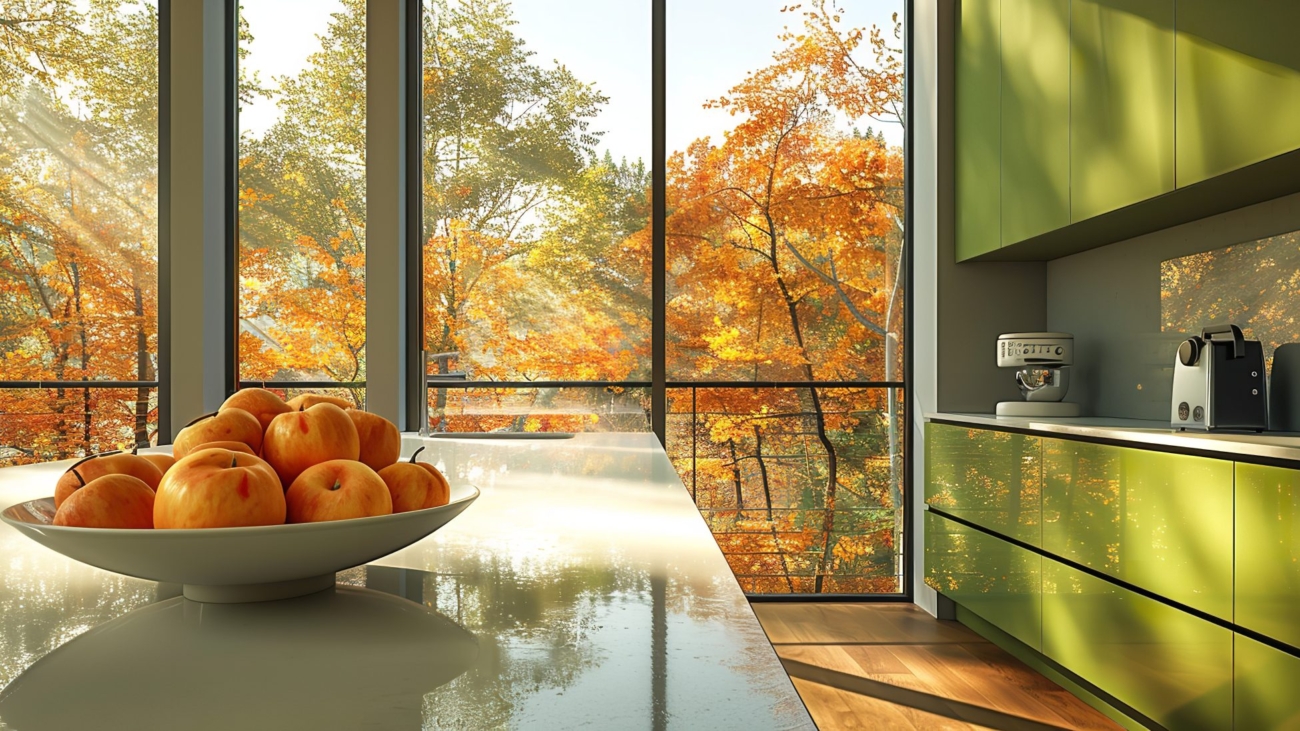
The kitchen of the future will be about much more than preparing meals. It will be a place where technology simplifies everyday routines, thoughtful design makes every inch count, and sustainable choices become part of daily life. As homes evolve and environmental awareness grows, kitchens are transforming into intelligent, adaptable spaces that bring convenience, comfort, and responsibility together.
From appliances that anticipate our needs to furniture that changes its purpose throughout the day, the next generation of kitchen design is rethinking how we use one of the most important rooms in the home.
Smart Technology That Makes Everyday Life Easier
Kitchen automation is no longer a distant vision of the future. Many modern homes already feature appliances and fixtures that make daily tasks simpler while helping conserve resources.
Smart refrigerators can help track ingredients, suggest recipes, and remind homeowners about items that need to be used soon. Connected ovens allow users to monitor cooking remotely, while intelligent dishwashers can adjust their cycles according to the load and selected settings. Motion-activated faucets and water-efficient fixtures offer another way to combine convenience with responsible resource use.
Voice assistants and connected controls add another layer of flexibility. Homeowners can set timers, follow recipes, adjust lighting, and manage compatible appliances without interrupting what they are doing.
The next step is greater personalization. As smart systems become more sophisticated, they may increasingly adapt to household routines, preferred cooking methods, and shopping habits. The goal is not to fill the kitchen with technology for its own sake, but to create an environment that quietly supports everyday life.
Making Every Inch Count
Smaller homes and compact urban apartments have encouraged designers to rethink traditional kitchen layouts. Limited space no longer has to mean limited functionality. With the right combination of storage, flexible furniture, and carefully selected appliances, even a modest kitchen can feel open and efficient.
Modular design is becoming an important part of this transformation. Imagine an extendable countertop that creates additional preparation space when needed, a foldaway dining table that disappears after breakfast, or an island that combines cooking, storage, and seating in one compact structure.
Multi-purpose furniture takes this idea even further. Kitchen islands can conceal deep drawers, built-in charging stations, and waste-sorting systems. Compact refrigerators, slim dishwashers, and retractable ventilation solutions help preserve valuable space without sacrificing essential features.
These designs make it possible to adapt the kitchen to different moments throughout the day, from a quick morning coffee to a family dinner or a gathering with friends.
Storage That Becomes Part of the Architecture
Effective organization is no longer limited to adding more cabinets. Modern kitchen design increasingly integrates storage into the structure of the room, creating a cleaner appearance while keeping everyday essentials within easy reach.
Vertical storage systems make better use of wall space, while concealed drawers and custom-built compartments help reduce countertop clutter. Integrated lighting can illuminate cabinets and drawers automatically, making it easier to find items without lighting the entire room.
Waste and recycling systems are also becoming more discreet. Built-in compartments can separate recyclables, compostable materials, and general waste while keeping them out of sight. These practical details contribute to a more organized kitchen without compromising its visual appeal.
Thoughtful craftsmanship plays an important role in achieving this balance. Custom cabinetry, precisely fitted storage, and carefully selected finishes can help transform awkward corners and underused areas into functional parts of the overall design. Companies specializing in millwork and bespoke interiors can help homeowners explore solutions that combine practicality with a cohesive aesthetic.
Sustainability Starts With Smarter Choices
The sustainable kitchen is not defined by a single appliance or material. It is the result of many considered decisions that reduce waste, conserve resources, and extend the life of the space.
Instead of focusing on perfection, future-oriented design emphasizes practical improvements. Better food storage, thoughtful meal planning, reusable containers, and convenient composting arrangements can all help households reduce unnecessary waste.
Technology may provide additional support. Connected kitchen systems and inventory-management applications can help homeowners monitor ingredients, organize shopping lists, and make better use of food already available. Although these tools cannot eliminate waste on their own, they can make responsible habits easier to maintain.
The same principle applies to the materials used throughout the kitchen. Reclaimed wood, recycled glass, bamboo, and other responsibly sourced materials offer alternatives worth considering when their durability and suitability meet the project’s requirements.
Long-lasting finishes and repairable components can also reduce the need for frequent replacements. Rather than following short-lived trends, homeowners can prioritize materials and designs that remain functional and attractive for years.
Energy and Water Efficiency Take Center Stage
A sustainable kitchen should work efficiently behind the scenes as well as look beautiful. Appliances, lighting, ventilation, and plumbing all influence how much energy and water a household uses.
Induction cooktops, for example, transfer heat directly to compatible cookware, offering responsive temperature control and reducing wasted heat compared with some traditional cooking methods. Efficient dishwashers can help conserve water when used appropriately, while LED lighting provides illumination with relatively low energy consumption.
Modern ventilation systems can improve indoor air quality while managing energy use, depending on their design. Water-saving faucets and appropriately selected fixtures can also reduce unnecessary consumption without making routine tasks less convenient.
Some homes may benefit from more advanced systems, such as water monitoring or greywater reuse, where local regulations and installation conditions permit. The best solutions depend on the building, household needs, and available infrastructure.
Taken together, these improvements demonstrate that sustainability can be built into the kitchen’s everyday operation rather than treated as an optional extra.
A Natural Connection Between Technology and Design
As kitchens become more technologically advanced, maintaining a welcoming atmosphere becomes increasingly important. A room filled with screens, sensors, and automated appliances can feel impersonal if its design overlooks comfort and character.
Natural materials, warm lighting, tactile finishes, and ergonomic layouts help preserve the familiar qualities that make a kitchen inviting. Wood textures, stone surfaces, soft colors, and carefully placed lighting can balance sleek appliances with a sense of warmth.
Personalization will also shape the next generation of kitchen interiors. Adjustable lighting can support different activities throughout the day, while flexible layouts can accommodate everything from quiet individual cooking to busy family gatherings.
Technology should enhance the experience of using the space, not dominate it. The most successful designs will combine intelligent features with the comfort, individuality, and practical details that make a kitchen feel like home.
Bringing Nature Into the Modern Kitchen
Another emerging design direction is the integration of natural elements into everyday interiors. Often described as biophilic design, this approach seeks to strengthen the connection between indoor spaces and the natural world.
In the kitchen, that might mean a small indoor herb garden, a vertical planting system, natural wood finishes, or a layout that makes the most of daylight and outdoor views.
More advanced systems may use controlled lighting and automated watering to help plants thrive indoors. Fresh herbs can make cooking more enjoyable, while greenery introduces color and texture into an otherwise functional environment.
Natural materials and plant life can soften minimalist interiors, creating a more balanced atmosphere. Even a modest addition, such as a sunny windowsill with herbs or a few carefully placed plants, can make the space feel more personal.
The aim is not simply to decorate with greenery, but to create a kitchen that feels connected to the rhythms of everyday life and the environment beyond its walls.
The Future of Kitchen Design Is Personal
Despite all the advances in automation and materials, the kitchen will remain a deeply personal space. It is where people prepare meals, share conversations, celebrate milestones, and develop daily routines. Its design must support those experiences rather than replace them with technology.
Future kitchens are likely to offer greater flexibility, more intuitive controls, and better integration between appliances, storage, and living areas. Some features will be automated, while others will remain deliberately simple. The right balance will depend on individual preferences, household habits, and the way each space is used.
For some homeowners, the ideal kitchen may feature connected appliances and concealed technology. Others may prioritize natural materials, adaptable cabinetry, and energy-efficient essentials. Both approaches can support a more thoughtful way of living when the design responds to genuine needs.
This is where careful planning and skilled craftsmanship become essential. Every material, storage solution, and technological feature should contribute to the kitchen’s overall purpose rather than add complexity without a clear benefit.
Designing a Better Kitchen for Tomorrow
The kitchen of the future is taking shape through a combination of intelligent technology, flexible layouts, sustainable materials, and human-centered design. These developments are changing not only how kitchens look, but also how they function and how they fit into everyday life.
Automation can simplify routine tasks. Space-saving solutions can make compact homes more comfortable. Durable materials and efficient appliances can help reduce resource consumption, while natural finishes and personalized details preserve the warmth that makes the kitchen special.
Ultimately, a smarter kitchen does not need to be the most expensive or technologically advanced one. It is a space designed around the people who use it, the resources it consumes, and the experiences it brings together.
The future of the kitchen is not simply about doing more with less space. It is about creating a better balance between convenience, sustainability, and comfort. With thoughtful choices and a focus on lasting value, homeowners can build kitchens that work beautifully today and remain adaptable for the years ahead.