
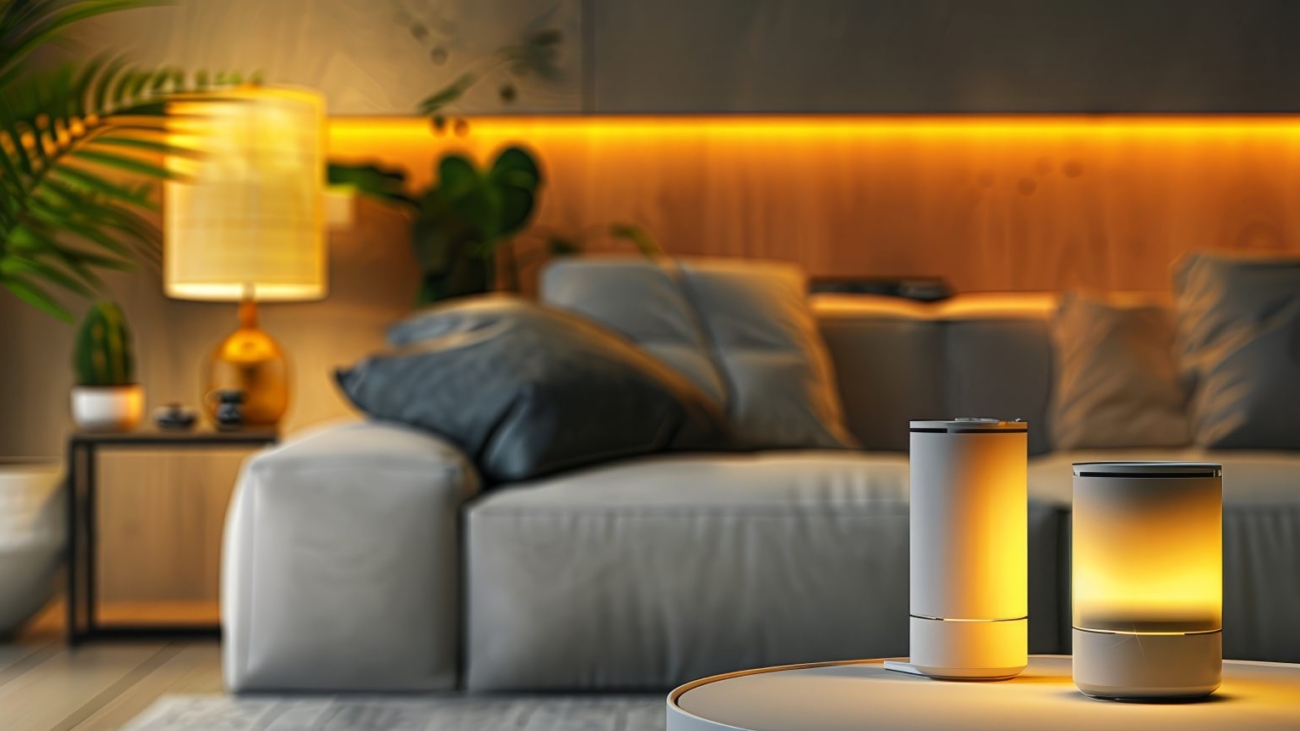
More Than Illumination: Creating the Right Atmosphere at Every Moment
Lighting has the power to transform a home. It can make a living room feel warm and inviting, bring focus to a home office, highlight architectural details, or create a relaxing atmosphere at the end of a long day. In a thoughtfully designed smart home, lighting goes beyond the simple act of switching a fixture on or off. It becomes an adaptable part of the living experience.
Across the United States, homeowners are increasingly exploring smart lighting as a way to combine convenience, personalization, and modern design. From spacious homes in California to contemporary residences in Texas and renovated properties in New York, intelligent lighting can help make everyday spaces more comfortable and easier to manage.
With the right home automation system, lights can be controlled, dimmed, scheduled, and coordinated with other compatible functions throughout the property. Instead of adjusting every fixture individually, homeowners can create lighting environments that suit different activities, times of day, and personal preferences.
Imagine a home that welcomes you with soft lighting in the evening, provides brighter illumination when you are preparing dinner, and gradually dims selected lights when it is time to relax. These experiences can be created through customized scenes and automated routines, turning everyday adjustments into a more seamless part of daily life.
The real value of intelligent lighting is not simply the technology itself. It is the freedom to shape how a home looks, feels, and functions with less effort.
What Is Intelligent Lighting Automation?
Intelligent lighting automation uses connected lighting devices, control systems, and software to help homeowners manage illumination throughout their property. Depending on the installation, lights may be operated through wall-mounted panels, mobile applications, compatible voice assistants, or traditional switches integrated into the system.
More advanced configurations can coordinate lighting with schedules, sensors, or other connected home functions. For example, selected lights may respond to movement, follow a predefined timetable, or adjust as part of a broader home automation scene.
Rather than relying on separate controls for every fixture, homeowners can group lights by room, floor, or purpose. A single command might illuminate a hallway, soften the living room lighting, or switch off selected fixtures throughout the home.
The system can be as straightforward or comprehensive as the property requires. Some households may need only a few automated lights, while larger residences may benefit from coordinated controls across multiple rooms, indoor-outdoor areas, and entertainment spaces.
The most effective approach starts with understanding how each space is used and selecting technology that supports those needs.
The Everyday Benefits of Smart Lighting
Lighting That Matches Your Lifestyle
Different activities call for different lighting conditions. Bright, focused illumination may be useful for cooking or working, while softer lighting can make a living room or bedroom feel more relaxing.
Smart lighting allows homeowners to save preferred settings and activate them whenever needed. These customized scenes can reduce repetitive adjustments and make it easier to create a consistent atmosphere throughout the day.
Convenient Control Throughout the Home
In a larger home, reaching every switch can become inconvenient, particularly when lights are spread across several floors or outdoor areas.
Centralized controls allow compatible fixtures to be managed from a shared interface. Homeowners can adjust selected lights individually, control groups of fixtures, or activate predefined scenes without moving from room to room.
Mobile access may provide additional flexibility, depending on the system and its connectivity requirements.
A More Considered Approach to Energy Use
Lighting automation can help reduce unnecessary operation by using schedules, occupancy sensors, or automatic shutoff routines where appropriate.
For example, selected lights can switch off after a configured period without detected activity, or outdoor lighting can follow a schedule that reflects household routines. Dimming compatible fixtures can also reduce the amount of light used when full brightness is unnecessary.
Actual energy savings depend on the equipment, the lighting already installed, and how the system is configured and used. Smart lighting is not a substitute for efficient fixtures, but it can help homeowners manage them more thoughtfully.
Highlighting Architecture and Interior Design
Lighting plays an important role in how a home is experienced. Carefully positioned illumination can draw attention to artwork, emphasize textured walls, highlight shelving, or create visual depth in an open-plan living area.
With intelligent controls, homeowners can adjust these effects to suit different occasions. A brighter scene may emphasize a room’s features during the day, while a softer setting can create a more intimate atmosphere in the evening.
This makes lighting automation a practical design tool as well as a convenience feature.
Lighting Scenes: One Touch, a Different Experience
One of the most useful features of smart lighting is the ability to combine several settings into a single scene. Instead of adjusting multiple fixtures separately, homeowners can activate a configuration designed for a particular activity or mood.
Here are a few examples of how customized lighting scenes can work in an American home.
Welcome Home
Selected entryway and living area lights turn on to create a welcoming atmosphere when you arrive. Depending on the system, the scene can be activated manually, scheduled, or linked to another compatible trigger.
Dinner Time
The kitchen and dining area receive brighter, more practical illumination, while nearby living spaces use softer lighting to create a comfortable setting for a shared meal.
Movie Night
Compatible lights dim or switch off in selected areas, helping reduce distractions while entertainment equipment is prepared for use.
Focus Mode
A home office or study receives the preferred lighting level for reading, working, or other tasks. The scene can be adjusted according to the room’s natural light and the homeowner’s needs.
Goodnight
Selected lights throughout the home switch off or dim, while designated pathway or nighttime lights remain on if required.
These scenes are configured around individual preferences. Their purpose is to make the home more adaptable without adding unnecessary complexity.
Bringing Indoor and Outdoor Lighting Together
A connected lighting strategy should consider the entire property, not just the rooms inside it.
Outdoor spaces often serve several purposes, from everyday relaxation to weekend gatherings and evening entertainment. Patios, decks, gardens, driveways, entryways, and walkways can all benefit from appropriate lighting and convenient controls.
With compatible equipment, homeowners can group outdoor fixtures, establish schedules, and coordinate selected lights with indoor scenes. For example, an entertaining routine might illuminate the patio and nearby pathways while creating a softer atmosphere inside the home.
Outdoor lighting can also support visibility around entrances and walkways. However, lighting placement should take into account glare, neighboring properties, local requirements, weather exposure, and the type of fixtures being used.
In areas with changing daylight hours, schedules may need occasional adjustment throughout the year. Where supported, astronomical timers or daylight-responsive controls can help coordinate lighting with sunrise and sunset.
The result is a more consistent lighting experience that extends beyond the home’s interior.
Integrating Lighting With the Wider Smart Home
Intelligent lighting becomes even more useful when it works alongside other compatible systems. Rather than operating as an isolated feature, it can form part of a coordinated home automation experience.
For example, lighting may be linked with motorized curtains, climate controls, entertainment equipment, or selected security functions through predefined scenes.
A morning routine might open compatible window treatments and bring selected lights to a comfortable level. An evening scene could close the curtains, dim the living room, and prepare the entertainment system. A departure routine might switch off designated lights while adjusting other connected systems according to the homeowner’s preferences.
These actions depend on the platform, supported devices, and the configuration chosen for the property. Not every smart device can communicate directly with every other product, so compatibility should be checked before installation.
A well-integrated system also preserves flexibility. Homeowners should still be able to adjust lighting when their plans change, rather than being limited to a fixed set of automated routines.
Choosing the Right Smart Lighting Controls
The best lighting solution depends on the size of the property, existing wiring, fixture types, preferred controls, and the level of automation desired.
Smart Switches and Dimmers
Smart switches and compatible dimmers can bring selected existing lighting circuits into an automation system. They may be a practical option for homeowners who want centralized control without replacing every fixture.
Before installation, it is important to confirm compatibility with the wiring, bulb types, and electrical requirements.
Smart Bulbs and Fixtures
Smart bulbs and connected fixtures can offer features such as dimming, scheduling, and, where supported, adjustable color temperature or color. They may be suitable for individual rooms or targeted lighting upgrades.
The chosen setup should account for how the fixtures receive power and how they will be controlled alongside other devices.
Wall-Mounted Touch Panels
Touch panels provide a dedicated point for managing lighting scenes and other integrated home functions. In larger homes, panels can be positioned in convenient locations so residents can access commonly used controls without relying entirely on a phone.
Mobile and Voice Control
Mobile applications can provide convenient access to compatible lighting controls, while supported voice assistants offer hands-free operation. These options may be especially useful when moving between rooms or managing selected functions remotely.
A balanced system often combines digital controls with accessible physical switches. This helps ensure that everyday lighting remains intuitive for residents and guests alike.
Planning Smart Lighting for Different Types of American Homes
Every property has different requirements, and a lighting solution should reflect the building rather than follow a one-size-fits-all formula.
In a newly constructed home, automation can be considered during the electrical and interior design stages. This creates an opportunity to plan wiring, dimming controls, fixture placement, and control panels before construction is complete.
In an existing residence, homeowners may be able to introduce smart switches, compatible bulbs, wireless controls, or selected integrated features without undertaking a major renovation. The feasibility of each option depends on the home’s wiring, devices, and network infrastructure.
Larger homes may require additional attention to lighting zones, communication reliability, and coordination between floors and outdoor spaces. Smaller homes can also benefit from automation, particularly when the focus is on frequently used areas such as the kitchen, living room, bedroom, and entryway.
Before choosing equipment, consider which lighting tasks are most inconvenient today, which rooms would benefit most from customized scenes, and whether the system should eventually expand to other areas of the property.
Starting with clear priorities can help keep the installation practical and avoid investing in features that do not serve a real purpose.
Professional Design, Installation, and Compatibility
Although individual smart lighting products can be relatively easy to install, a whole-home solution requires careful planning when multiple circuits, controls, and connected systems are involved.
A professional assessment can help establish which fixtures should be automated, how lighting zones should be organized, and which devices are compatible with the selected platform. It can also identify wiring requirements, network limitations, dimmer compatibility, and opportunities for future expansion.
Testing is equally important. Each switch, dimmer, scene, and automated routine should operate as intended, and household members should understand how to adjust settings or override an automated action.
For more extensive projects, coordination between the electrician, lighting designer, interior designer, and home automation specialist can help align the technical installation with the property’s overall design.
Homeowners should also ask about software updates, product warranties, maintenance, privacy, and local technical support. These details can make a significant difference to the long-term experience.
What to Consider Before Investing in Smart Lighting
Before selecting a system, it helps to evaluate a few practical considerations:
- Your priorities: Decide whether convenience, lighting design, scheduling, energy management, or integration with other home systems matters most.
- Existing infrastructure: Review the property’s wiring, network coverage, and current lighting equipment.
- Device compatibility: Confirm that the selected switches, dimmers, fixtures, and automation platform can work together.
- Ease of use: Choose controls that feel intuitive for everyone who lives in or visits the home.
- Future expansion: Consider whether additional rooms or functions may be added later.
- Privacy and security: Review account protection, user permissions, remote access, and available software updates.
- Professional support: Check that qualified installers and technical assistance are available in your area.
These considerations help ensure that the final system delivers practical benefits instead of unnecessary complexity.
A Brighter Future for Connected Living
Smart lighting continues to evolve alongside broader developments in home automation. More connected devices, improved interoperability, and emerging AI-enabled features may offer new ways to personalize lighting and coordinate it with household routines.
Depending on the equipment, future systems may become better at responding to changing daylight, occupancy, and established preferences. However, useful lighting automation does not have to be complicated or depend on artificial intelligence. Reliable controls, thoughtful scene design, and compatible equipment remain the foundation of a good experience.
For homeowners across the United States, the most valuable solution is one that fits the property, supports everyday activities, and remains easy to manage as needs change.
Intelligent lighting is ultimately about creating spaces that feel right at the right time. With careful planning, even a simple adjustment in brightness can become part of a much more considered approach to modern living.
In Case You Missed It!
Smart lighting automation gives homeowners greater control over brightness, schedules, lighting scenes, and compatible connected systems. It can make daily routines more convenient, highlight architectural details, support outdoor living, and help reduce unnecessary lighting use when configured appropriately.
The best results come from choosing compatible technology, planning around the home’s layout, and making controls easy to understand. Whether you are upgrading a single room or creating an integrated lighting system throughout your property, intelligent lighting can help make your home more adaptable, comfortable, and personal.